
The complete architecture of The Adult in the Room, from internal safety to external leadership
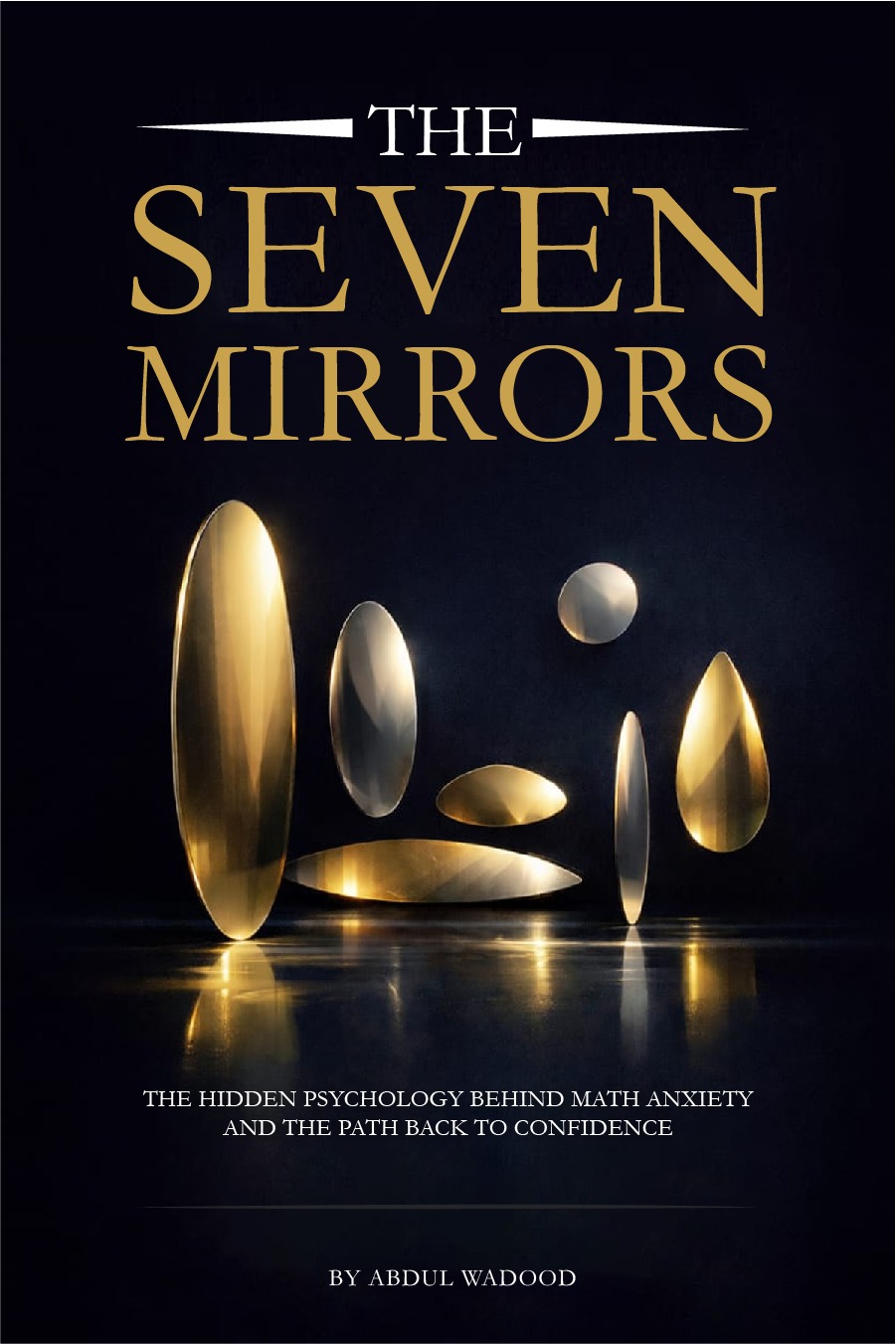
The Hidden Psychology Behind Math Anxiety
The Seven Mirrors is not a mathematics textbook. It is a psychological map. Many people do not struggle with mathematics because they lack intelligence; they struggle because mathematics became emotionally unsafe. At some point in their learning journey, it became easier to remain silent than to risk being wrong.
Through seven recognizable inner patterns, this book explores how mathematical anxiety is formed, reinforced, and misunderstood. By making these patterns visible, the reader regains the permission to think, experiment, and begin again.
The goal is not merely to learn mathematics.
The goal is to restore the confidence required to approach it.
 ▼
▼
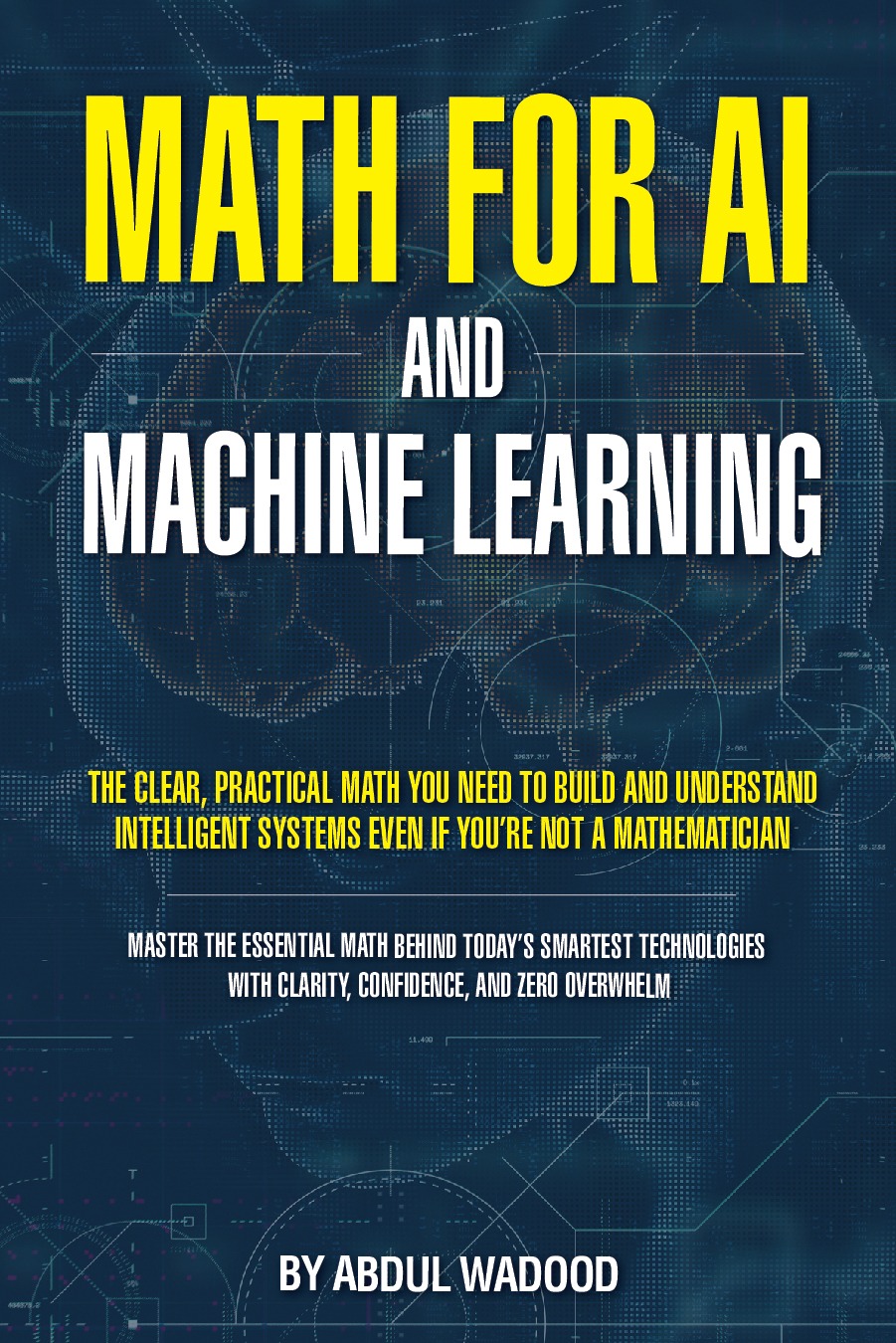
Essential Math for Modern AI
Artificial intelligence runs on mathematics. Yet many developers encounter AI through code before understanding the mathematical structures underneath it.
This book provides a clear and practical introduction to the core mathematical tools that power modern intelligent systems, including linear algebra, calculus, and probability. Rather than overwhelming readers with academic formalism, the focus is on intuitive understanding and practical application.
Designed for software developers, data analysts, and technology professionals, the book bridges the gap between mathematical theory and real-world implementation.
In AI, clarity is more valuable than complexity.
The goal is practical mastery without unnecessary barriers.
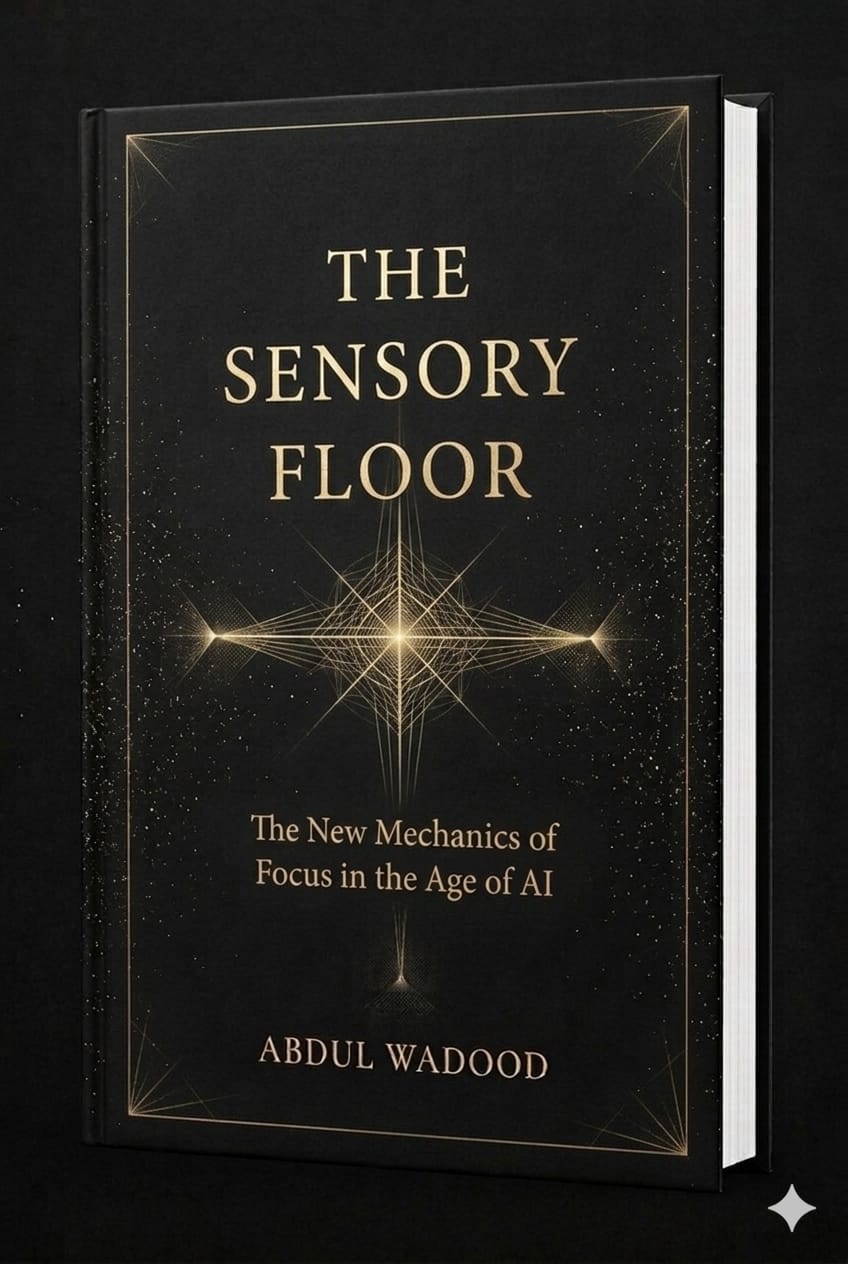
The New Mechanics of Focus in the Age of AI
We are living in the age of effortless information. Answers arrive instantly, distractions multiply endlessly, and digital systems compete continuously for our attention. Yet as the world becomes easier to navigate, our inner landscape becomes harder to inhabit. The Sensory Floor introduces a new way of understanding focus. Instead of viewing concentration as something we push upward through effort, the book argues that focus is determined by a baseline The Sensory Floor created by our environment and habits.
When that floor rises too high, deep thinking becomes nearly impossible.
Through a structured 21-day protocol, the book helps readers systematically lower this floor and rebuild the conditions necessary for sustained attention and intellectual depth.
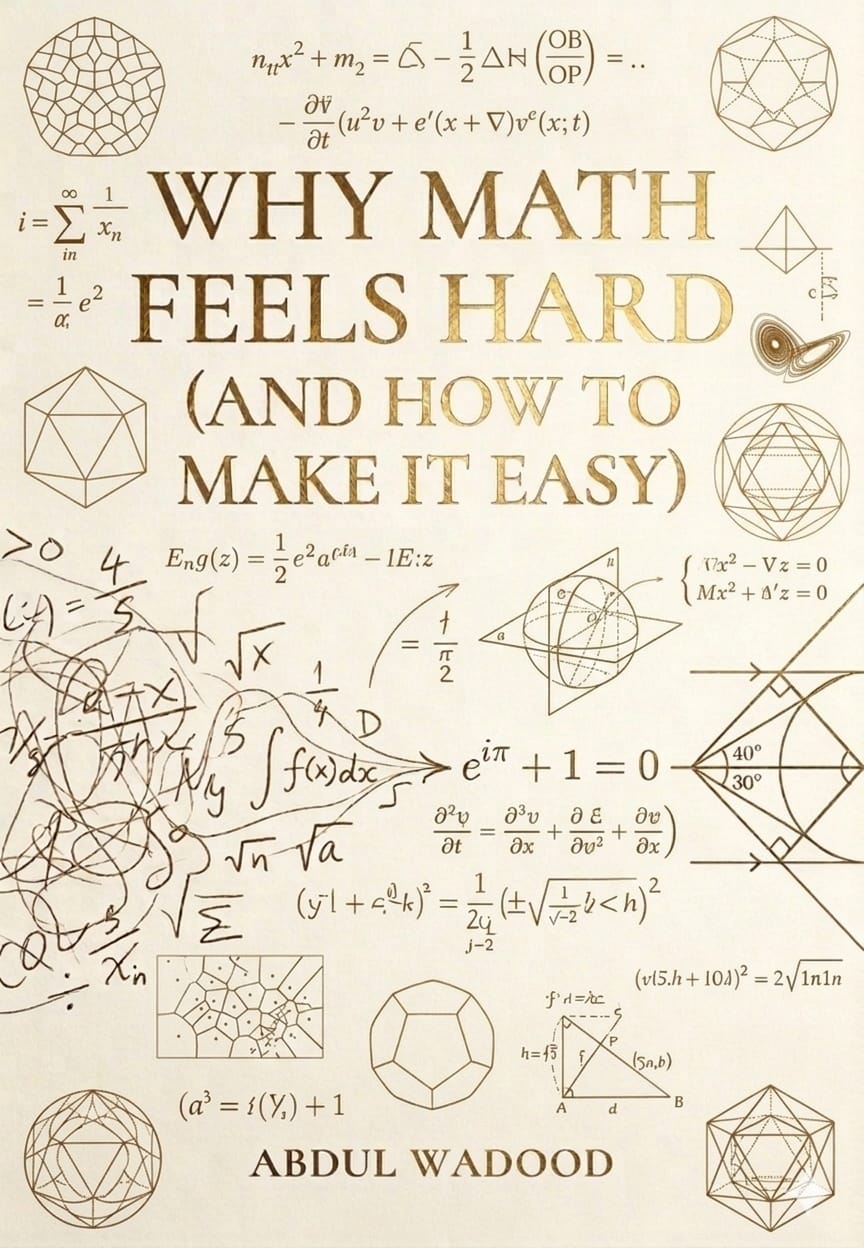
The Psychological Blueprint for Mathematical Fluency
After more than twenty-five years of teaching mathematics across international curricula, Abdul Wadood observed a recurring pattern: mathematical difficulty is rarely about intelligence. It is about psychology.
Students often experience invisible mental barriers that freeze their thinking before they even begin solving a problem.
This book explores the cognitive patterns behind that experience and provides practical strategies to move from confusion to clarity. Readers learn how to reduce mental overload, use written reasoning effectively, and maintain calm focus during challenging problems.
For students, parents, and teachers alike, the message is simple:
Mathematics rewards thinking, not fear.
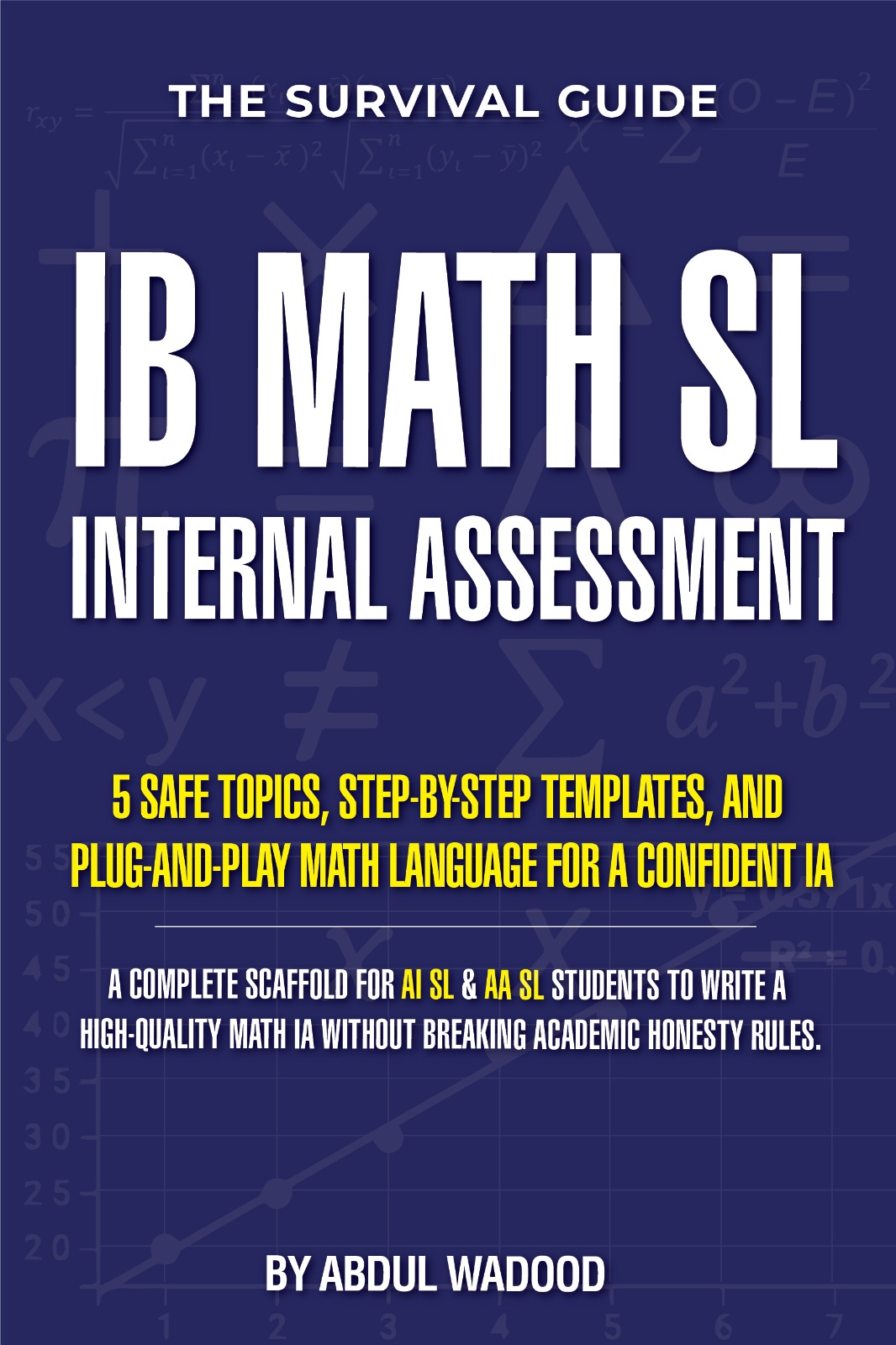
The Survival Guide for the IA
The Internal Assessment is one of the most confusing parts of the IB Mathematics course. Many capable students lose marks not because they lack ability, but because they lack a clear structure.
This guide provides a proven, IB-aligned framework for navigating the IA process from topic selection to final submission. It includes safe topic ideas, step-by-step structural templates, and practical guidance for communicating mathematical reasoning clearly.
The focus is on helping students produce high-quality work while maintaining full academic integrity.
For IB students, the IA does not have to be a mystery.
With the right structure, it becomes manageable
▼
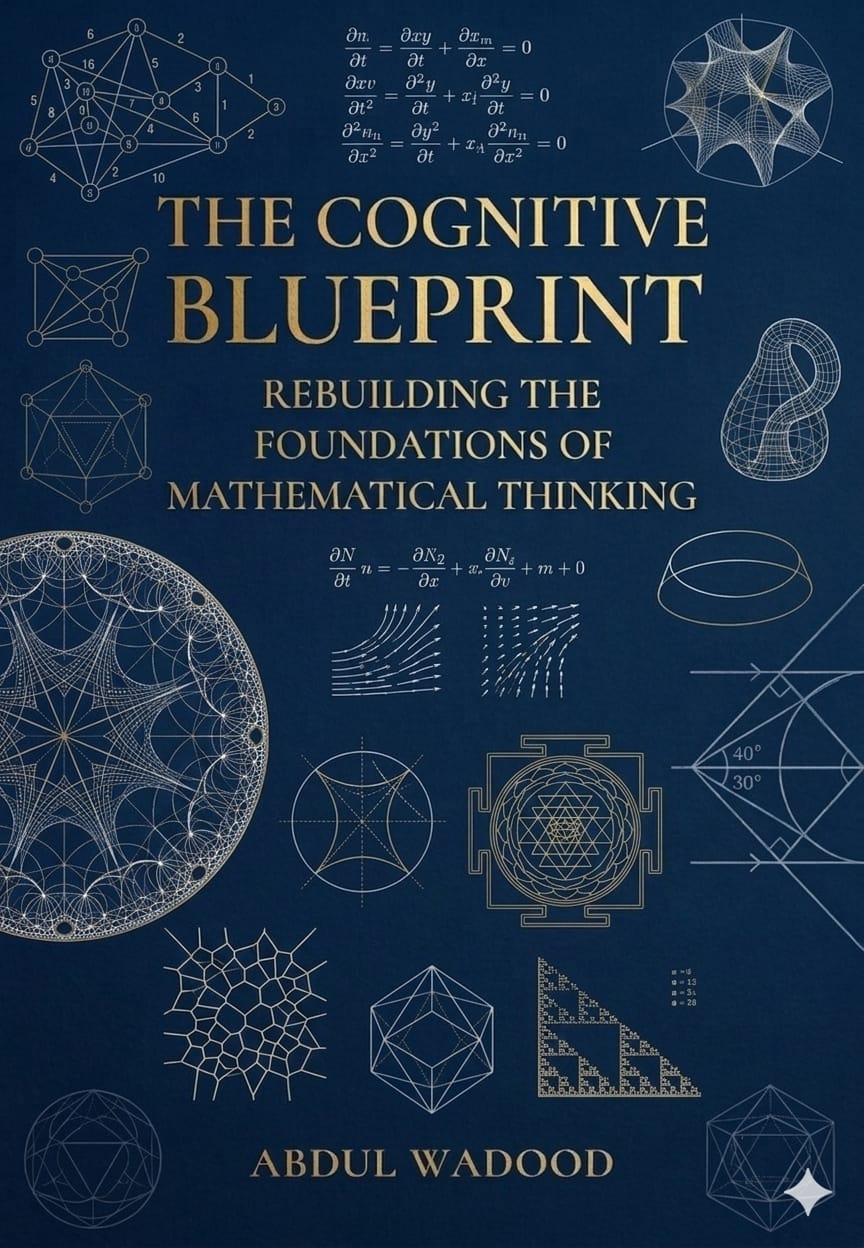
Rebuilding the Foundations of Mathematical Thinking
If The Seven Mirrors identifies the psychological barriers surrounding mathematics, The Cognitive Blueprint focuses on the path forward.
Once fear is recognized, the question becomes practical: how does a learner rebuild their relationship with mathematical thinking?
This book provides a navigational framework for restoring intellectual confidence. It explores how the brain naturally seeks patterns, how the learning environment shapes mathematical identity, and how complex problems can be reconstructed into simple, approachable structures.
In the age of automated calculation, the true human advantage in mathematics is not speed.
It is clarity of thought and sovereignty of reasoning.